Genre
Synopsis
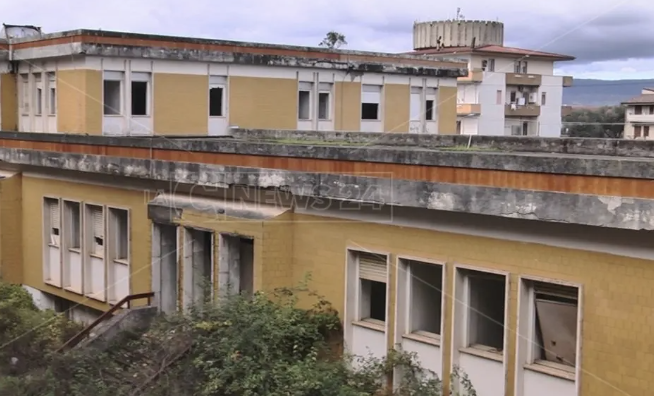
In a struggling public hospital in Calabria, one of the poorest regions in Italy, Dr A. begins her shift in an overwhelmed ER.
Calm under pressure and deeply committed to her patients, she is one of 400 Cuban doctors brought in to address a critical shortage of medical staff. Their arrival is an emergency measure in a region where the healthcare system is being pushed to the brink of collapse.
Through her lens, we enter a forgotten community at the southern edge of Europe, where aging populations and failing institutions reveal a new kind of marginality.
Dr A. reverses the familiar migration narrative: here, the migrant is highly skilled, while the local population struggles to access basic care. Essential to the system’s survival, she works within a community where anti-immigrant sentiment persists, shaped by unemployment and the pressures of being the entry point for Mediterranean migration.
In the ER, she cares for elderly Italians as well as for migrants who have almost drawn to reach the Italian coast. Competing for scarce resources, tensions surface among the patients and the medical staff, as she finds herself positioned below Italian patients yet somehow above the newcomers.
Dr. A is pulled in opposite directions: through long, draining shifts in overcrowded hospital corridors and solitary drives to rural home visits, she carries the weight of a system on the brink. In stolen moments, emotional video calls home reveal a different crisis, as her family’s struggles deepen. Power cuts, empty shelves, voices lowered. Through her eyes, Cuba feels immediate and fragile, its pressures closing in from all sides. Stretched between two worlds, she is worn down by the emotional toll, as each demands more than she can give.
Outside the ER, increasing pressure from the United States to end Cuba’s medical missions threatens the doctors’ presence in Italy. Contracts and entire hospital units depend on what happens next.
Dr. A.’s planned trip home to visit her family is not possible anymore, as immigration rules tighten.
Conversations with her colleagues over late-night dinners (spaghetti alongside ropa vieja and fried beans) and improvised Cuban dances begin as moments of escape, but slowly give way to confession. Longing, guilt, and quiet fear for a home country unraveling from afar surface among the doctors, as the question of staying or leaving becomes unavoidable.
Could seeking political asylum offer a path to remain? And if so, what would it mean to relinquish her status as a doctor and enter the limbo of an overburdened asylum system?
At this stage, these questions remain open.
The film will follow her in real time while she confronts a defining choice: remain and start over from the margins, or return to a country that no longer offers a future.