Genre
Synopsis
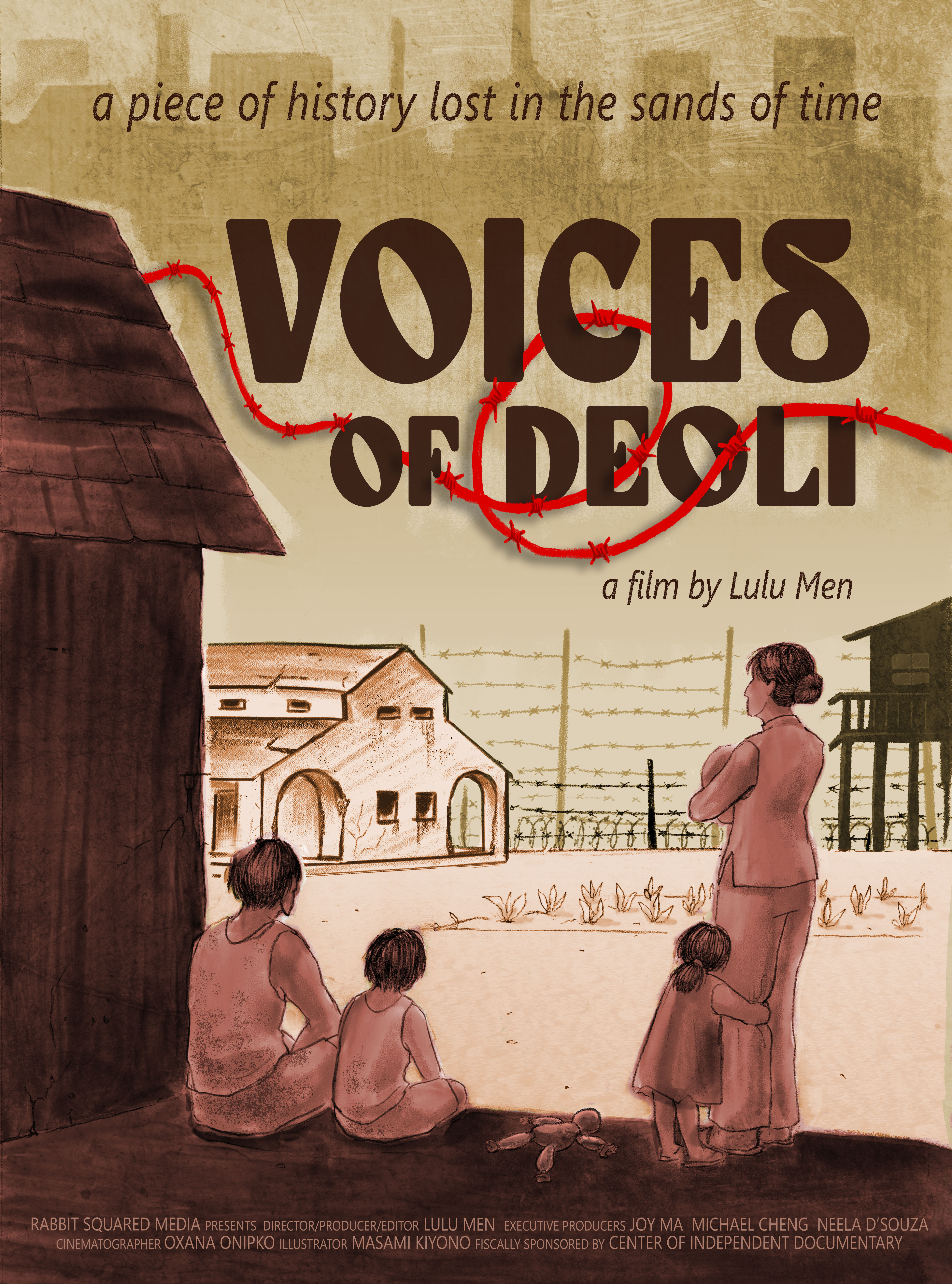
Sixty years ago, about 3000 Chinese-Indians were taken to an internment camp in a town called Deoli in Rajasthan, India. While some may have heard about the border war between China and India in 1962 preceding the internment, few know about what happened to civilians of Chinese ancestry who had lived for generations in India. Some of them were incarcerated for under a year, the longest internees were in the camp for up to four and half years.
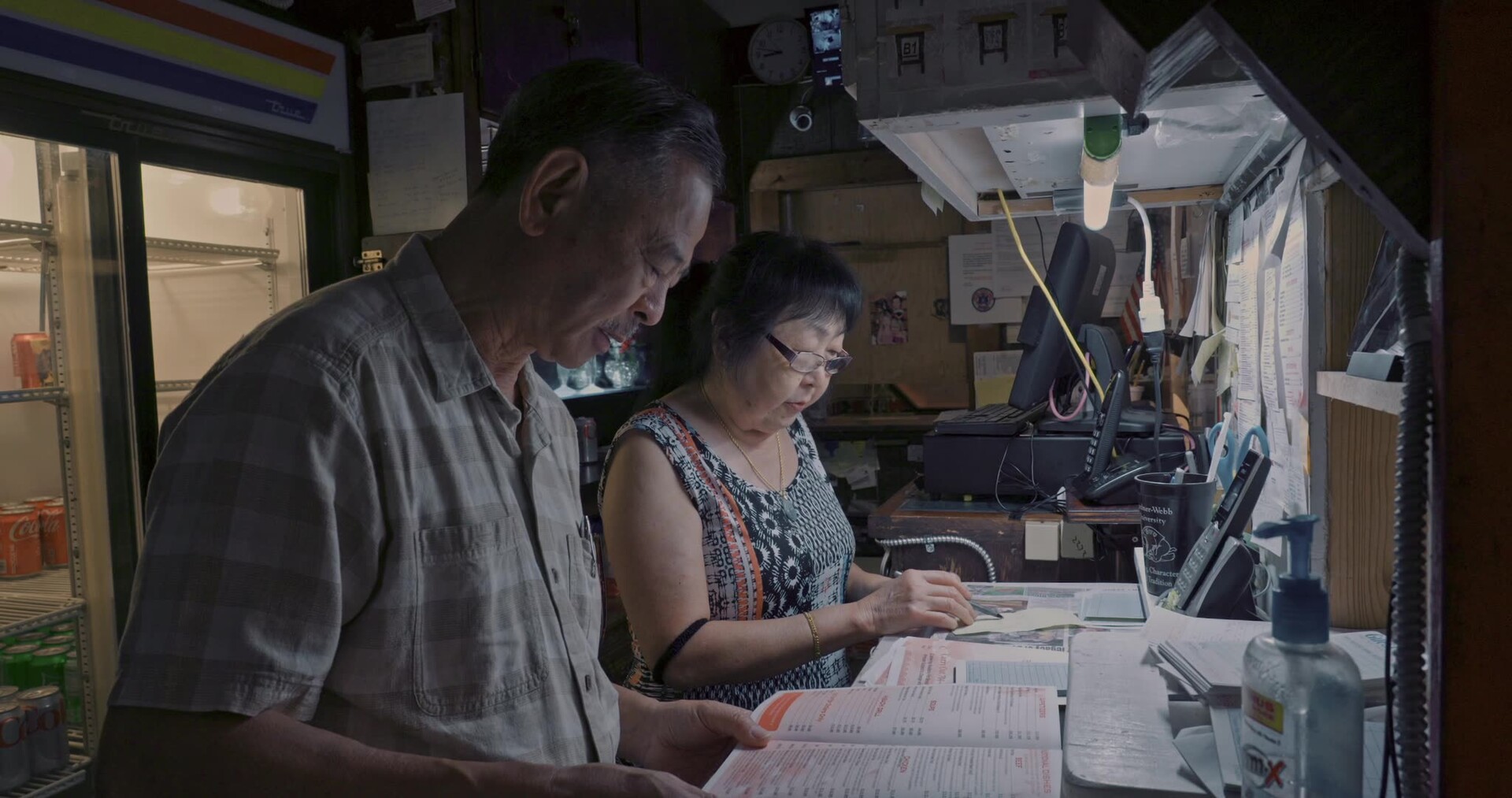
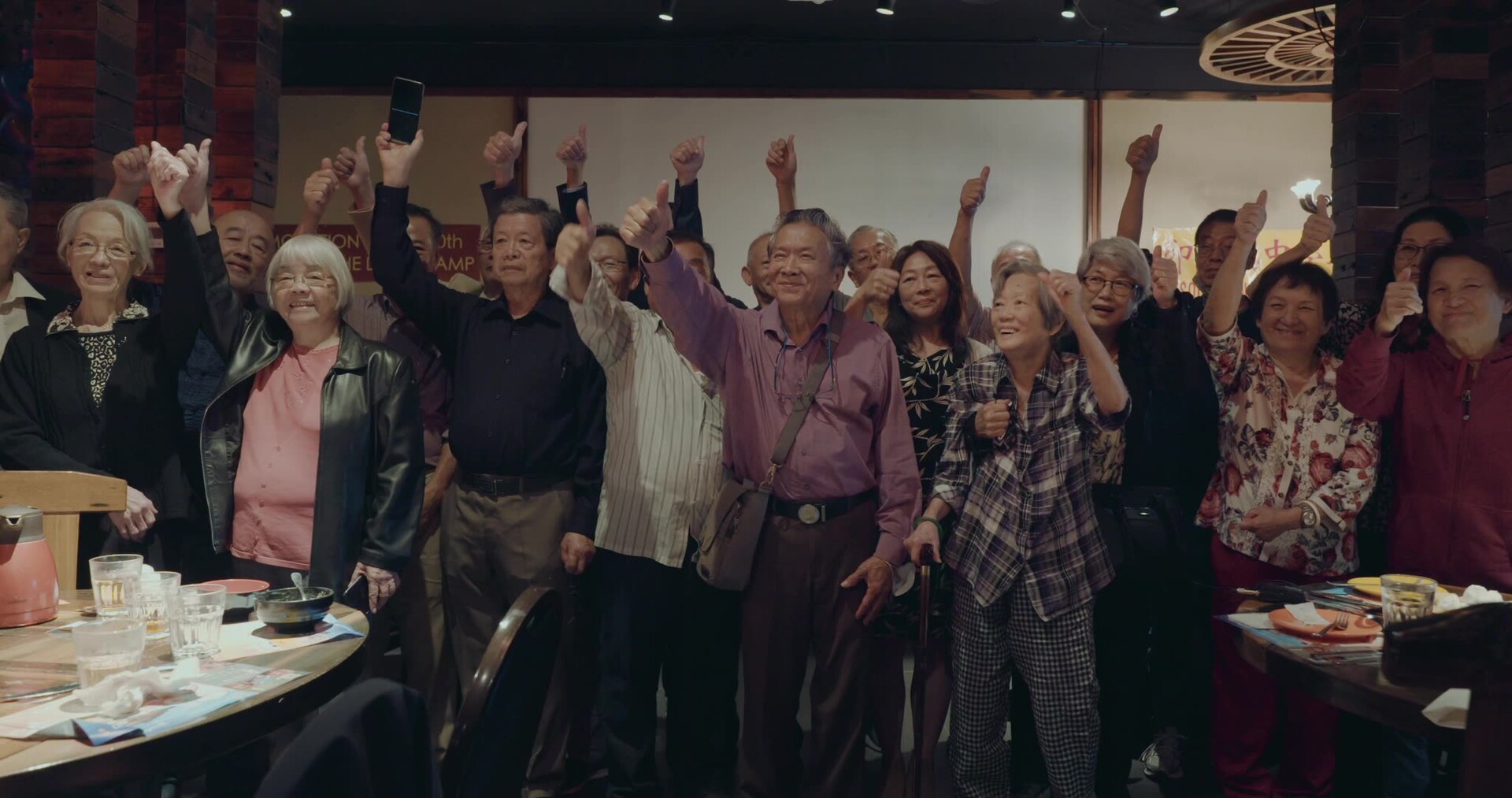
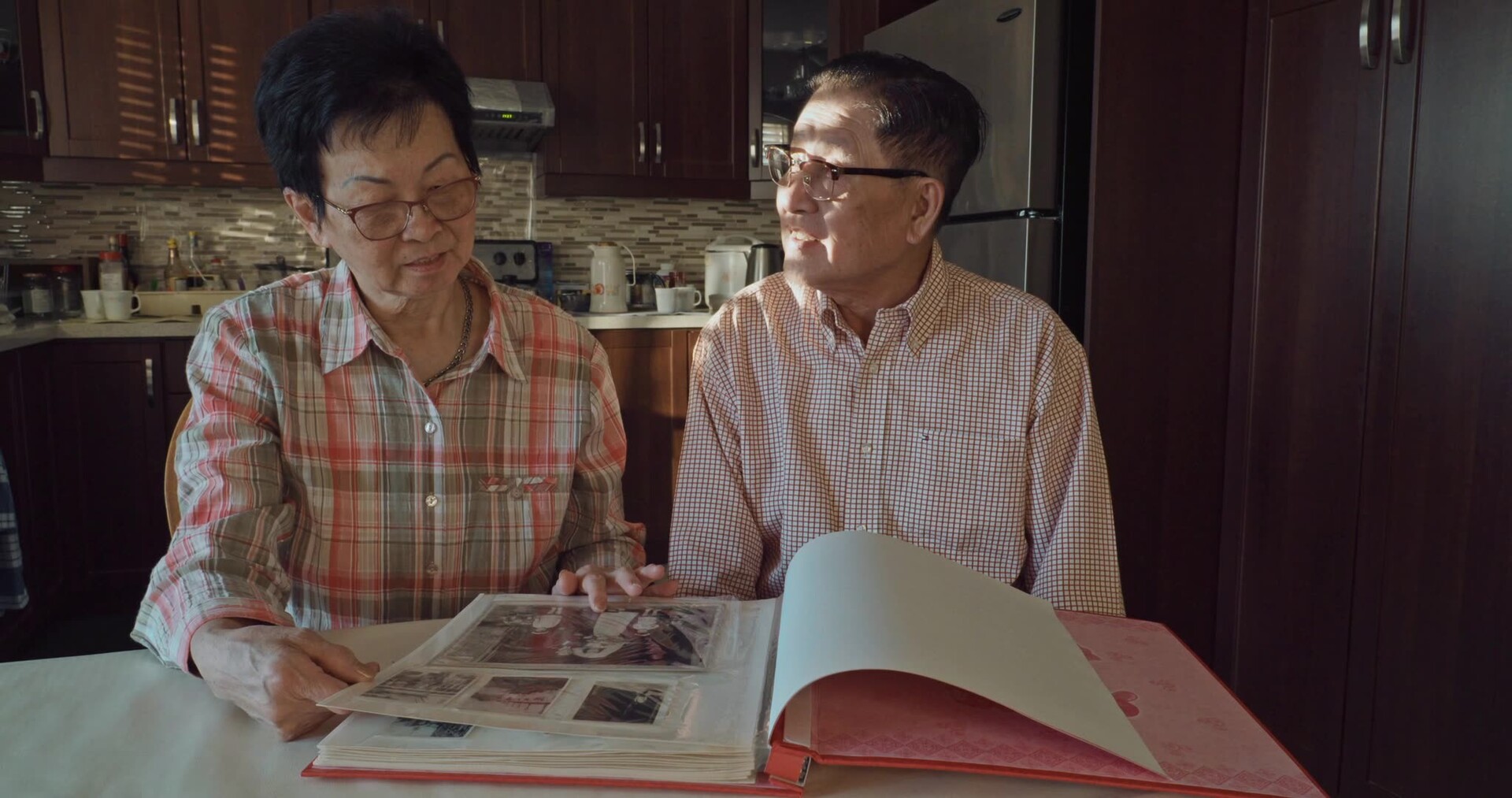
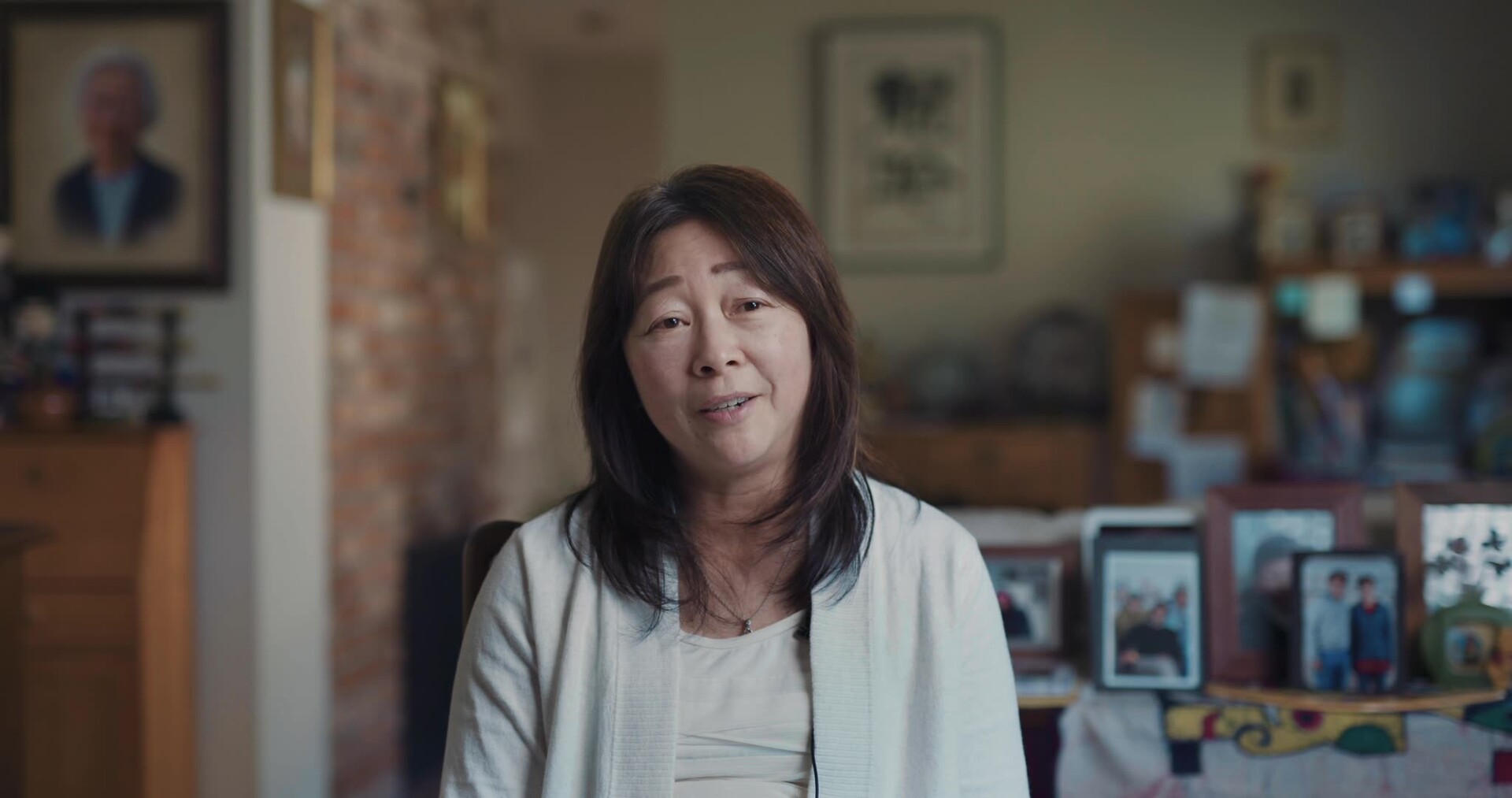
VOICES OF DEOLI tells the survivors’ stories, their life now in the US and Canada, their journey as immigrants, their haunted memories from the camp and their efforts at receiving justice throughout the years.
Director Identity
Bio
Lulu Men is a New York–based artist and filmmaker, originally from China and Singapore. With a foundation in fine arts, she holds an MFA in Film from the School of Visual Arts and an MA in Media Management from The New School.
Her debut feature documentary, Voices of Deoli, premiered at the Los Angeles Asian Pacific Film Festival (LAAPFF) and is available for streaming on Tubi and educational distribution through New Day Films in 2026.
Lulu was one of the producers of the Academy Award–winning documentary American Factory. Her work has been showcased at international film festivals and academic institutions. She has also participated in Docs for Sale at IDFA 2024 and INTRO:DOX at CPH:DOX 2025.
A proud member of A-Doc (Asian American Documentary Network), BGDM (Brown Girls Doc Mafia) and Film Fatales, Lulu is dedicated to storytelling that fosters healing, amplifies underrepresented voices, and drives meaningful social change.
Credits
Cinematographer - Oxana Onipko
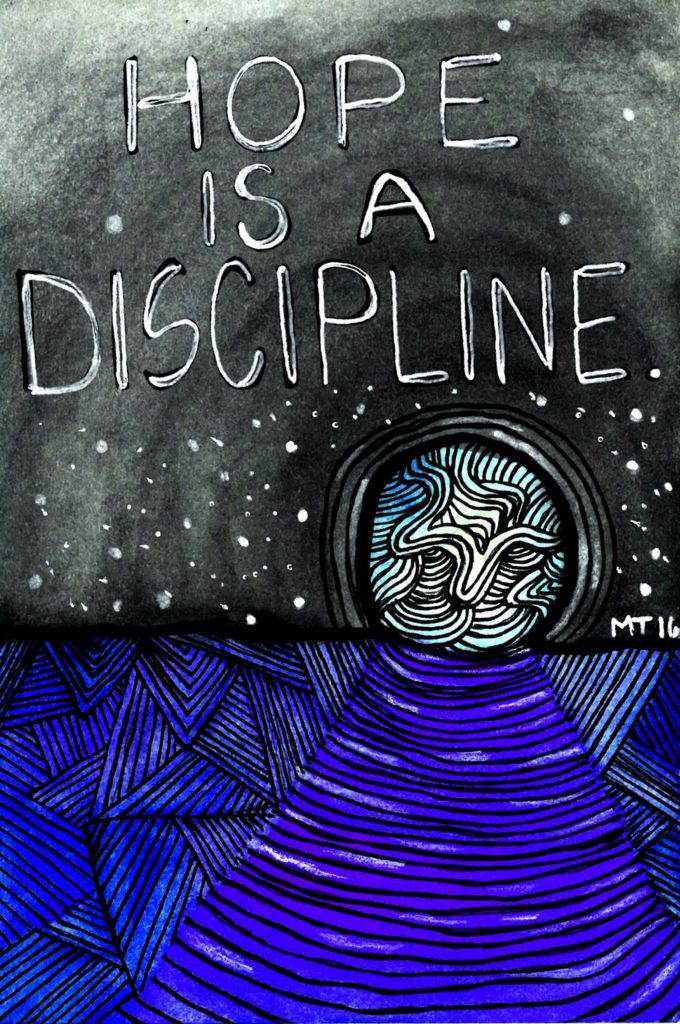
Illustration Artist - Masami Kiyono