Genre
Synopsis
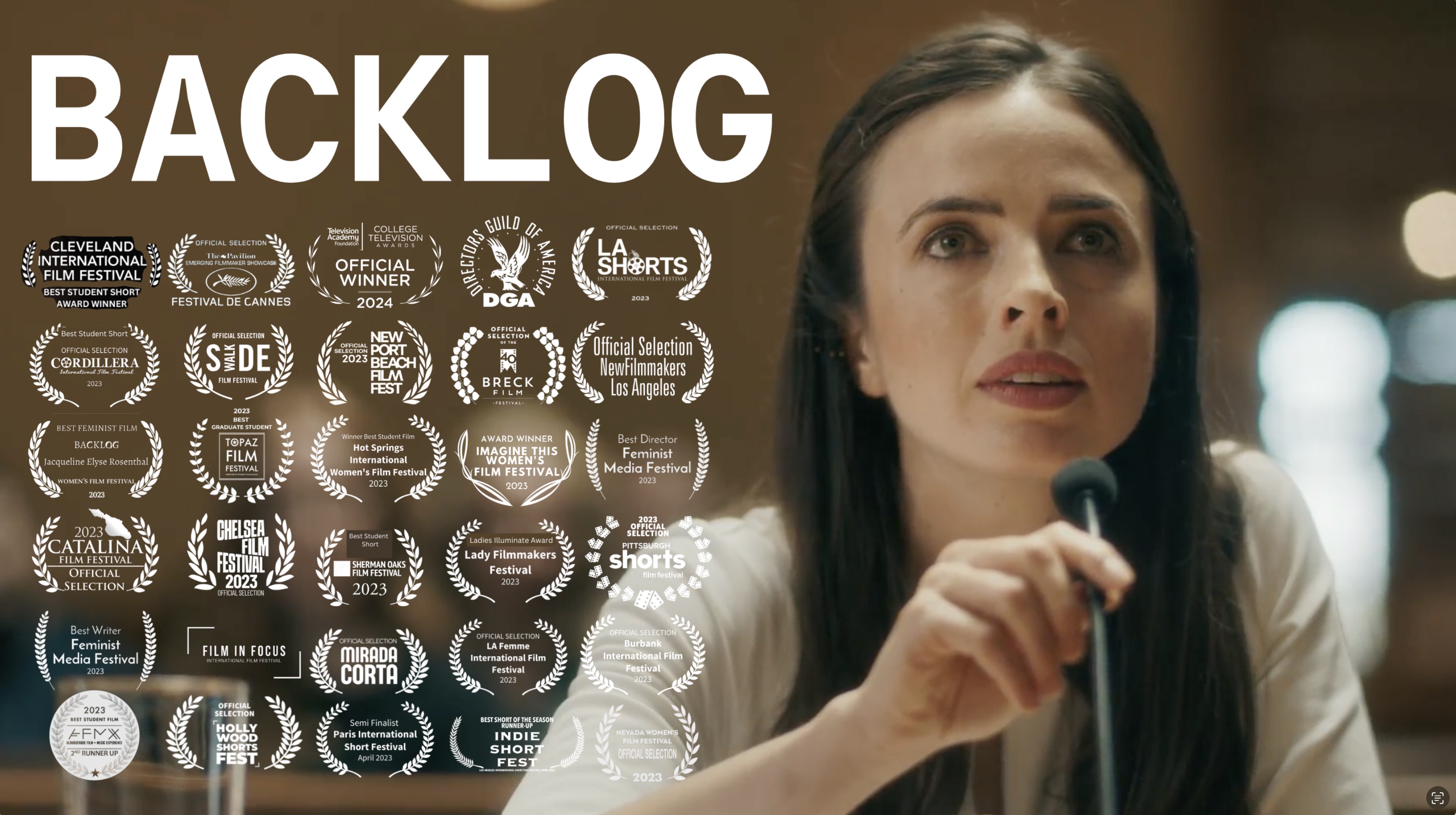
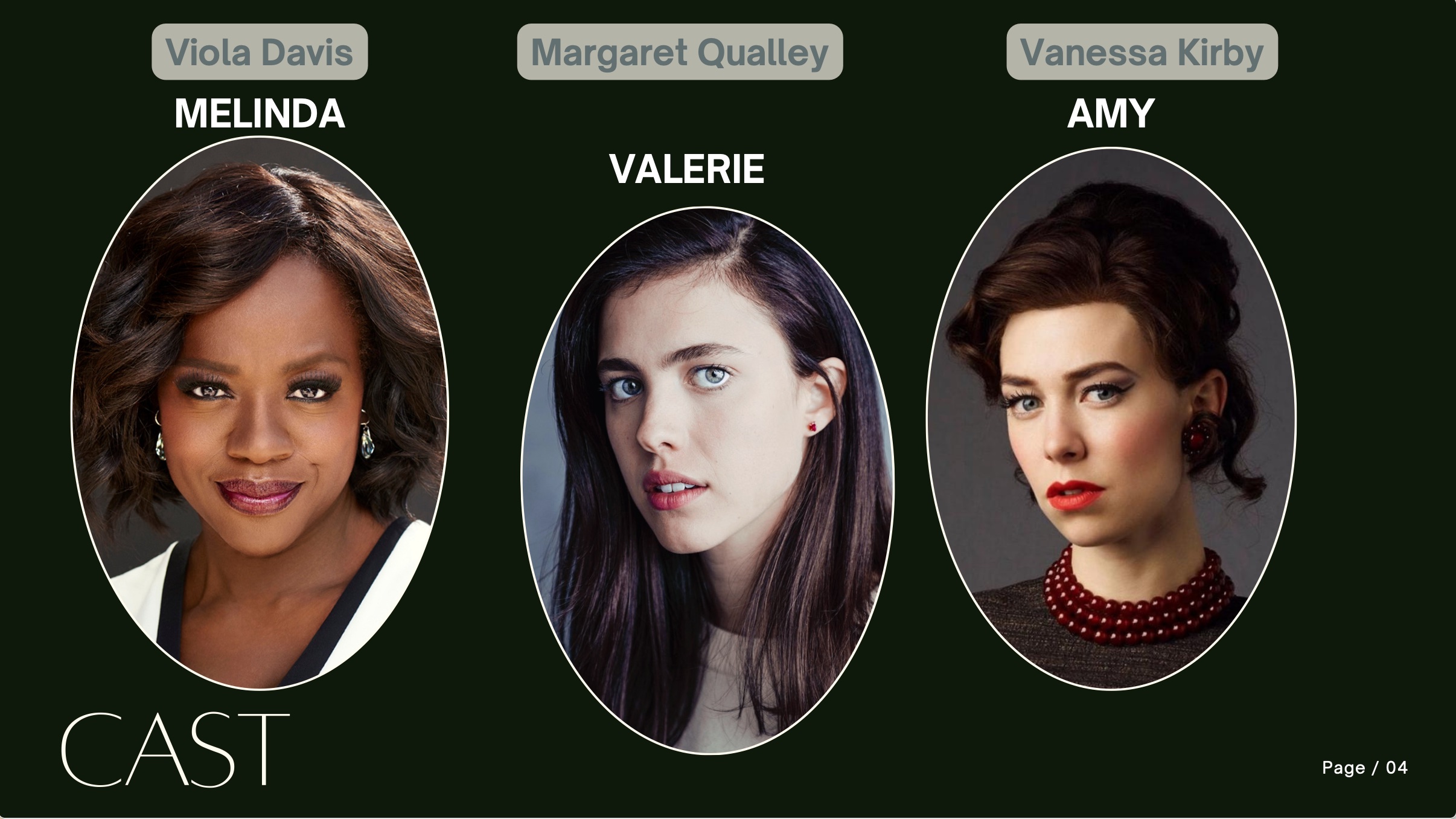
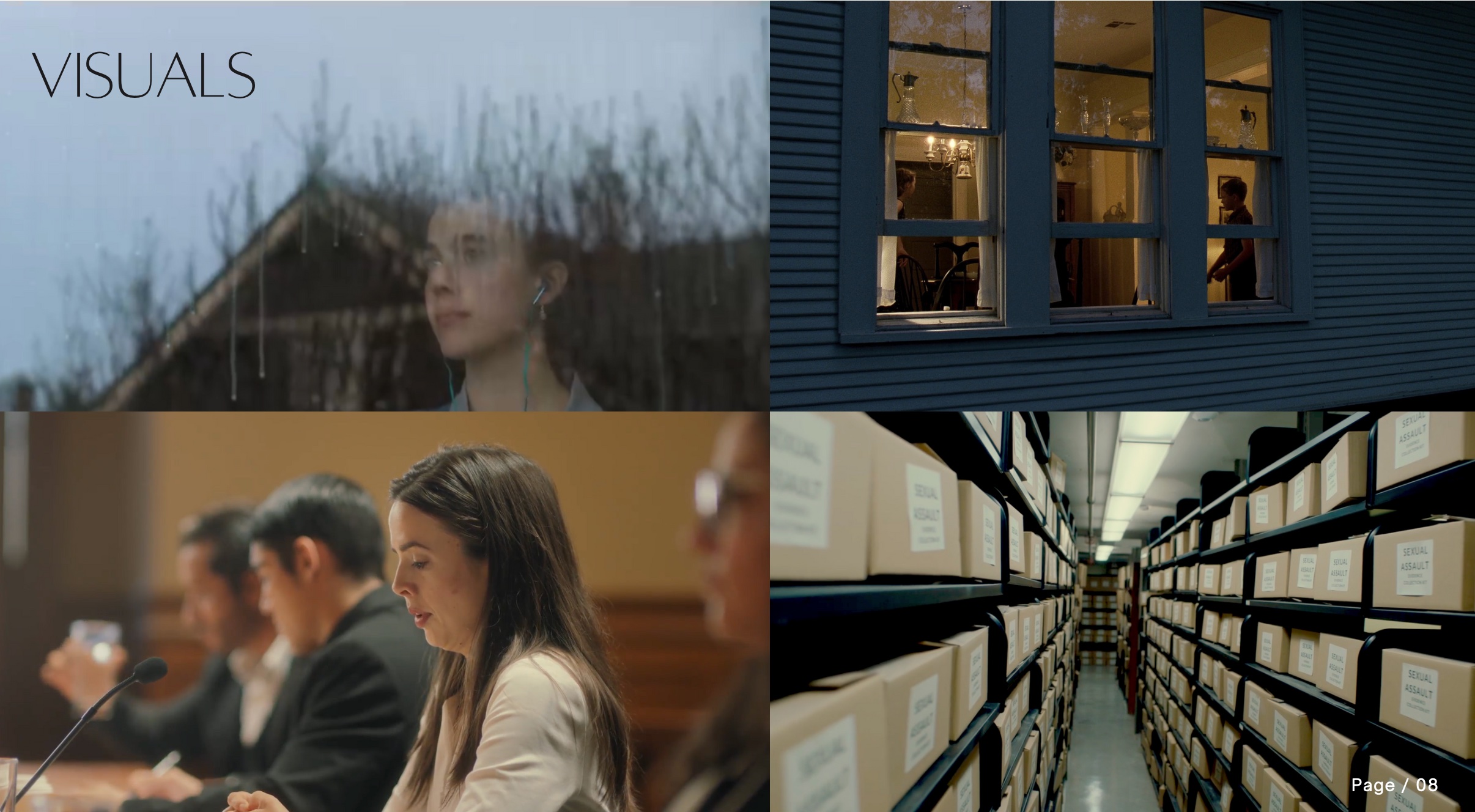
Valerie Neumann is a young, bright college girl filled with hope for her future and a deep yearning to belong. She is a popular, has a loving family, is a graceful ballerina - but her world comes crashing down when she is raped by a mutual friend on her surprise 21st birthday. Despite the insistence of her mother (Amy) to move past it, Valerie actively fights to get her rape kit tested for two years Valerie, becoming a strong Speaker on the RAINN Speakers Bureau, only to find out her kit was shelved on the National Rape Kit BACKLOG - only 3 of 1000 rape kits will ever be tested and the DA decides Valerie's case is "a waste of taxpayer money". She writes one last blog post, before ultimately closing that chapter of her life. Two years later, Valerie tries to mask her pain but can't hold a relationship and continues to push her family away. Meanwhile, in DC Melinda (a Women's Rights activist based off real-life Mariska Hargitay) is courting Senators to back her new bill and Senate Hearing to end the Rape Kit Backlog. Diane Feinstein offers to back it, if she can find a solid Key Witness. A RAINN Speaker's coordinator recommends Valerie after hearing her speech years before, but can't remember her name. Finally they find her blog post, and Suzie (Primetime News Reporter) has Valerie come on air and subsequently Melinda meets Valerie and asks her to be the Key Witness at the largest Senate Hearing for the rape kit BACKLOGS. She flies to DC with Melinda. In front of the Capitol Building, they sit on a bench before testifying. Valerie tells Melinda she's never felt more scared and alone because they could lose it all - but Melinda insists that she needs to be strong now. Once climbing the steps, Melinda has surprised Valerie with a massive team of female supporters, who together climb the steps with her. Valerie testifies courageously, and we immediately see that the bill died in the committee - and then we meet Valerie 17 years after her assault at a park with her children. She has chosen to survive - her life went on and through her daughter and continuing to speak up about the BACKLOG for them, she has found hope speaking up for the next generation of women. Based on a true story.
Bio
Jacqueline Elyse Rosenthal is a DGA Grand Prize & Student-Emmy winning writer-director-activist, known for her film BACKLOG (Cannes official selection), which is currently being packaged as a feature. After adapting the short, the BACKLOG feature script won Stage 32 and Catalyst Studios’ Empowering Women Script Competition. Most recently, she wrapped a 31-day shoot at SONY Studios for her sci-fi epic, Europa, a film she wrote and directed about a privatized space mission. The film was produced by ETC (Emerging Technology Center), SONY, and Pixomondo. Jacqueline's nine short films have all landed distribution, and she has been contracted by production companies throughout the world to direct shorts, features, and branded content. She is an alum of the Creator’s Playlab Fellowship, the Fox Fellowship, The Athena Writer’s Lab, Stowe Story Labs, and was honored in 2021 by the United Nations Development Programme. She holds an MFA in Film Production from USC and is represented by 3 Arts Entertainment, Culture Creative Entertainment, and Del Shaw.
Awards History
Student-Emmy 2023 - Best Drama Series, Winner
DGA Award 2023 - Grand Jury Award, Best Female Director - West Coast - Winner
Cannes, American Pavillion 2023 - Best Student Film, Narrative, Nominee
Anthem Award 2024 - Best Social Impact for News and Media, Winner (Bronze)
Cleveland, Cordillera, Ojai, Hot Springs Women's, Burbank, Sherman Oaks, Indie Shorts, Lady Filmmakers, City of Angels Women's, Imagine This Women's, First Look, Topaz, - Best Student Film, Winner
Press
""Finding such a powerful voice in storytelling that can catapult a conversation to spark change is rare and we new immediately Jacqueline's story needed to be told.""
DEADLINE
"A haunting shot of boxes and boxes of sexual assault evidence precedes Backlog’s opening credits. The film is shocking, upsetting and unfortunately based on a true story, though it isn’t one without hope. Writer/director Jacqueline Elyse Rosenthal says the film is based partially on her own undergraduate experience – though her experience draws from when she completed her first degree at a different university than USC). Backlog maintains its emotionality without becoming sappy. Like many of Gerwig’s films, Backlog balances sincerity with a roller coaster of feelings and goes to great lengths to legitimize women’s experiences on screen. This was clearly important to Rosenthal, who easily articulates and discusses her artistic vision and reasoning for making the film. “The reason that I made this film is that, when I went through this, I never saw [sexual assault] portrayed in the media where it was as severe as what happened,” Rosenthal says. “I constantly felt like maybe I was misrepresenting what happened to me, and maybe I was making it a bigger deal than it had to be.”"
SLUG Magazine
"Fiscal Sponsorship support for Short"
Stowe Story Labs - Short Fiscal Sponsor
"“I knew we needed Cas Pryer and Sabrina Siqueiros to bring the realism to the film,” Rosenthal shares. “They were two of the most important and earliest hires for me. We worked so intently on combing all of the vintage marketplaces to lend realism to the film. I am very lucky to have had designers who understood the importance of historical accuracy. They vetted every decision by me and with roughly 60 background actors, they created a realistic landscape of 2006.” For Pryer it started with having conversations with Rosenthal. “We got a general sense of everything through Jacqueline’s eyes, including how the costumes would fit into the film’s developing aesthetic and especially Valerie’s arc. Then we were data collectors- the spreadsheets, character breakdowns, and discussions with the cinematographer and production designer about color palette all required data. As a period, piece, this film also required a lot of research. That meant scouring old high school and college yearbooks, newspaper articles, blog posts. It’s the task of cobbling. Knowing what people actually wore, and what Hollywood told us they wore was an element to the costume design.”"
Forbes Magazine
"Video Interview"
NFMLA Stage 5 Filmmaker Interview